SILENSEE / CASE STUDYPortfolio case study · Three-day core
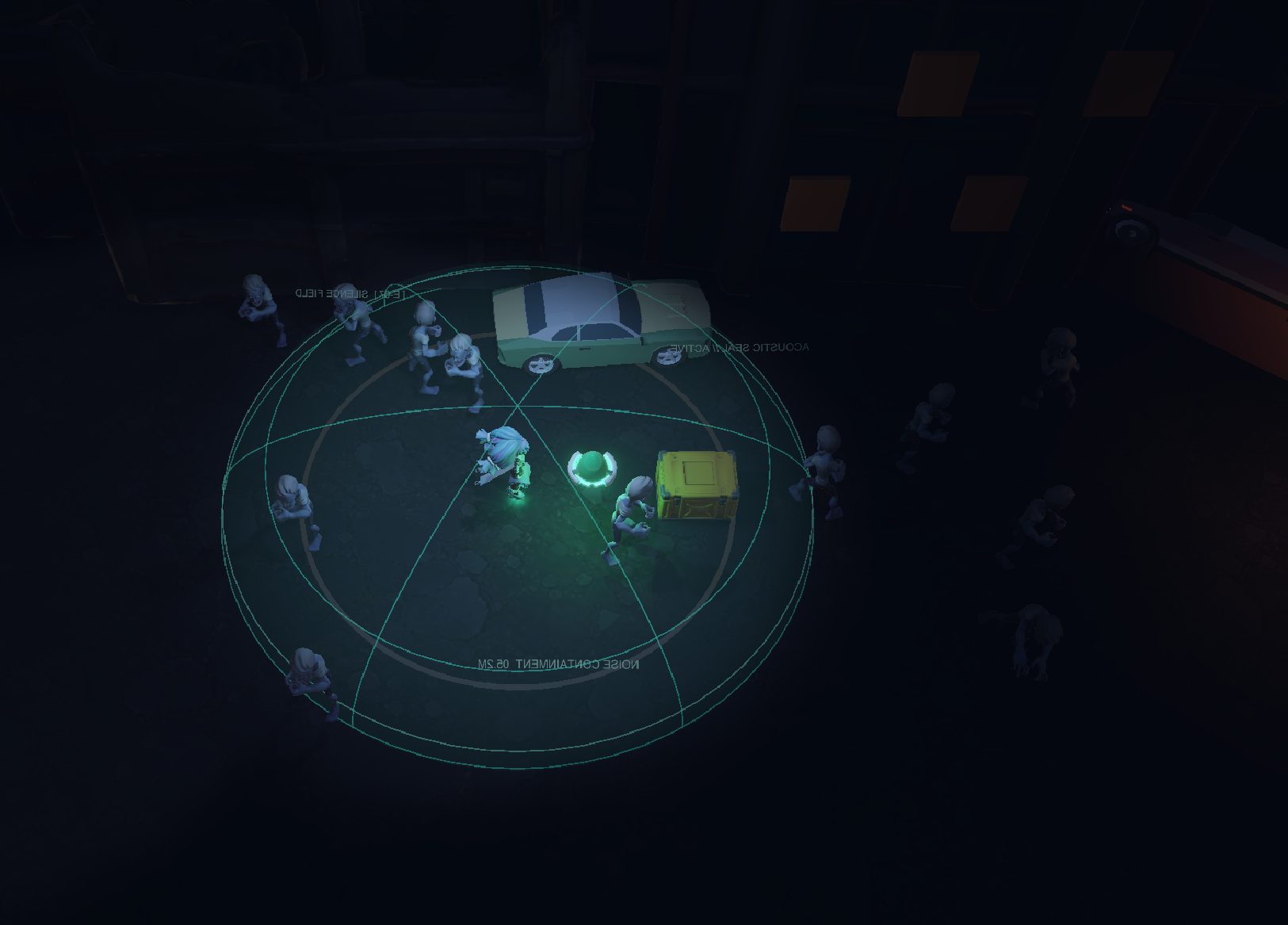
Final Silensee runtime scene with Spoki under pressure from a large infected horde

01 · Playable result · Aug 17–19, 2026 · Unity 6 · Solo direction + AI agents

Three days to a playableUnity 3D roguelite core.

I transferred an AI production system—not code—from a 2D web game into Unity 3D. Reliability came from bounded work, evidence and human acceptance—not blind trust in AI.

Human directionAI executionSilent-first testingPrivate prototype
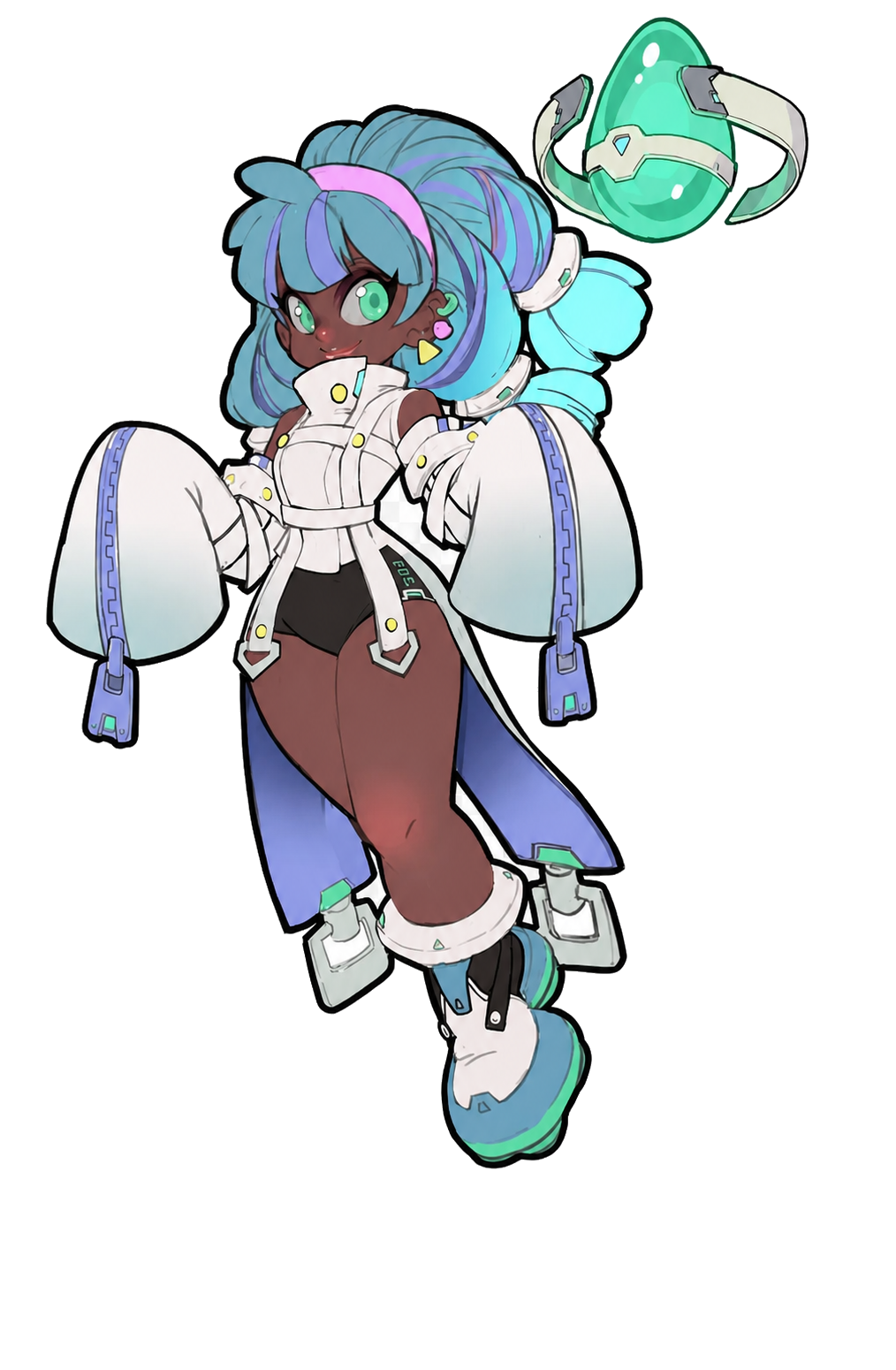
Cropped Spoki character illustration with companion drone
Final runtime scene + authored character composite
3Core prototype days
8:00Author playtest
58Enemies in targeted smoke
1UI pass hard-retired after review

02 · A portable production system

Not the code.
The management system.

SEVEIL and Silensee share no engine, medium or gameplay architecture. What survived was the way I turn intent into bounded, testable work.

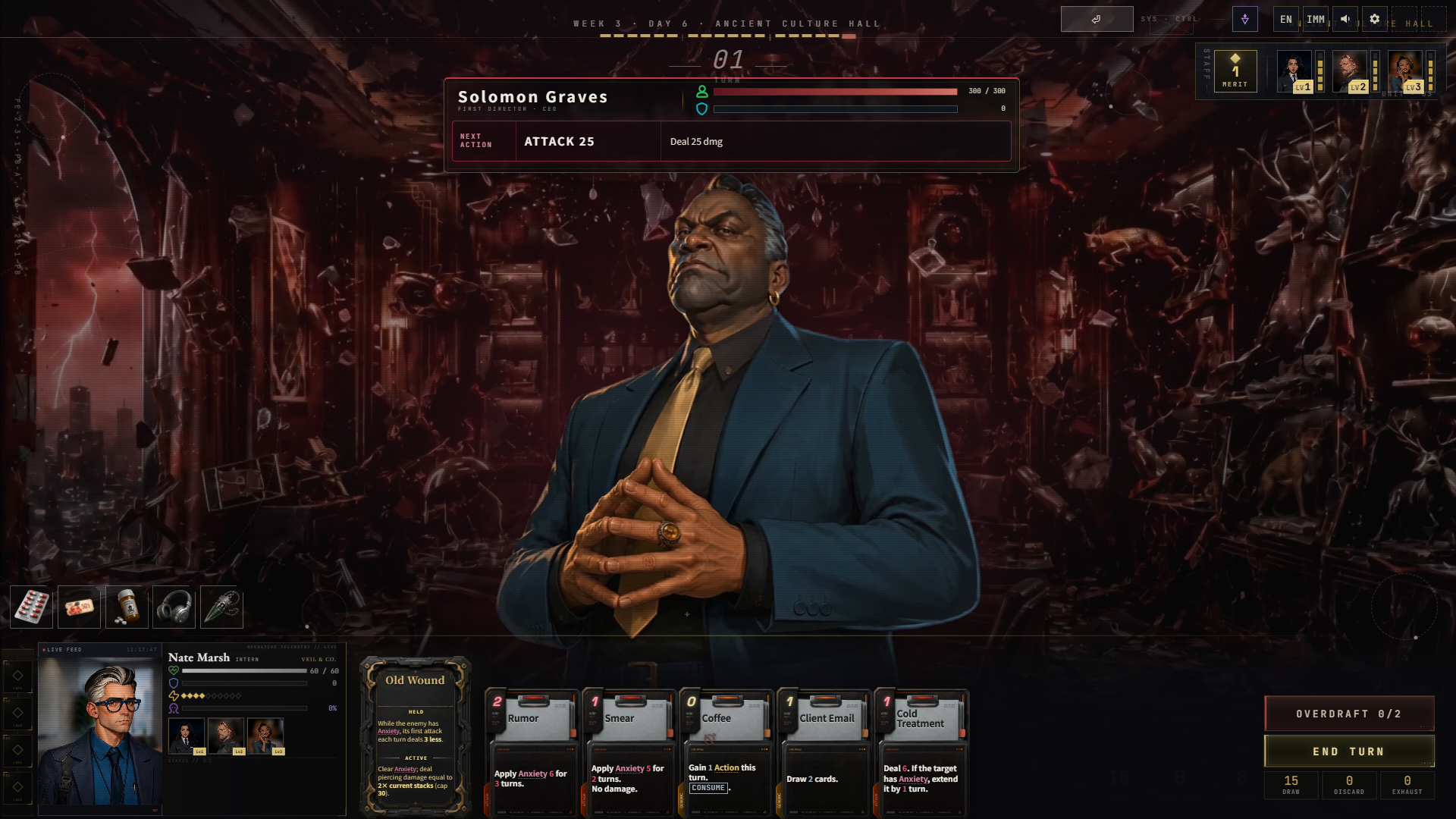
SEVEIL browser card game boss combatSEVEIL · Browser · 2D card game
Three months of production learning

Built the discipline

Constitution · human acceptance · ownership · rollback
Engine-independent discipline
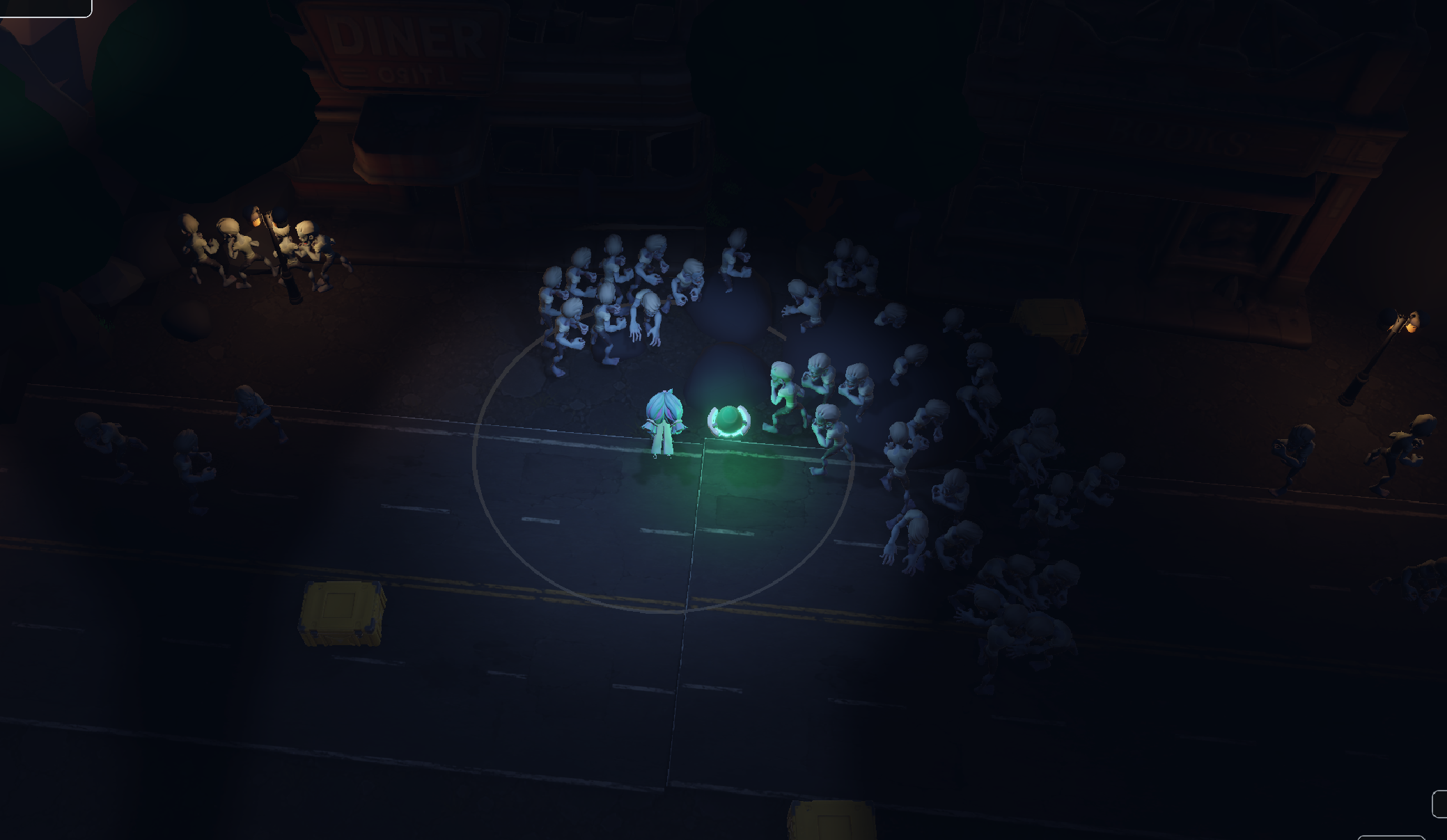
Silensee Unity 3D horde encounterSILENSEE · Unity · 3D roguelite
Three days to prove portability

Reused the discipline

Bounded candidates · silent checks · visual gates · author playtest

DirectionOwner contractAI executionEvidenceHuman acceptance

03 · Reliability without pretending to be a programmer

I managed the codebase
through evidence.

I could not audit every C# line. I could still control production through contracts, plain-language reports, tests, rollback and human acceptance.
Human directionCanonicalOwner contractAI implementationSilent checksCross-chat reviewAuthor playtestAccept / reject
58Enemies materialized in a targeted silent smoke test
0Windows development build errors
V37Protected rollback baseline during V38 closure
Show the receipts — and their limits

SILENSEE_V38_SILENT_MAINTENANCE_PASS · materialized=58 · namedConfiguration=True · presentationSeparated=True · v37Protected=True · audioPaused=True · audioVolume=0.0

  • 58 enemies is targeted smoke evidence, not a performance ceiling.
  • The Windows development build recorded 0 errors and 488 existing warnings.
  • V37 scene identity was protected by a recorded SHA-256 hash.
  • Generic EditMode and PlayMode regression was not rerun during the V38 closure.
  • This is a portfolio prototype, not a release candidate.
Three-day core versus post-core expansion
  • Aug 17–19: V1–V38 established the playable core, playable build, rollback and eight-minute author playtest.
  • Aug 20–21: V39–V49 slowed into controlled expansion—drone fix, blink, Q/E abilities, environment assets and recording polish.
  • Case study, video editing and portfolio packaging are excluded from the development-time claim.
What cross-chat review meant
One AI executed a bounded task. Another checked its scope, Canonical, evidence and rollback story. I retained the final accept / reject decision.

Corrections are the proof

The build passed.
The experience still argued back.

Reliability did not mean pretending the first answer was right. It meant making wrong answers visible, reversible and cheap to reject.

01

Drone fire hit the player

Correction: collision ownership was isolated and retested instead of patched through presentation code.

02

The probe passed. The real horde was still wrong.

Correction: validation moved from an isolated enemy to the real spawned population chain.

03

The silence field looked like a basket

Correction: the visual owner changed while the gameplay contract stayed intact.

04

Impact VFX looked mechanical

Correction: gear-like, overbright shapes were replaced by restrained natural hits.

05

The build passed. Pressure failed at 5:00.

Correction: density, pursuit, enemy mix and upgrade variety moved ahead of polish.

06

A UI passed every test. I removed it anyway.

Correction: the rejected pass was hard-retired, protected and turned into a visual-gate rule.

04 · The playable promise

Move quietly. Trigger the crash.
Survive the horde.

One map, one character, one companion drone and one systemic rule: sound changes enemy state instead of flipping a scripted hostility switch.
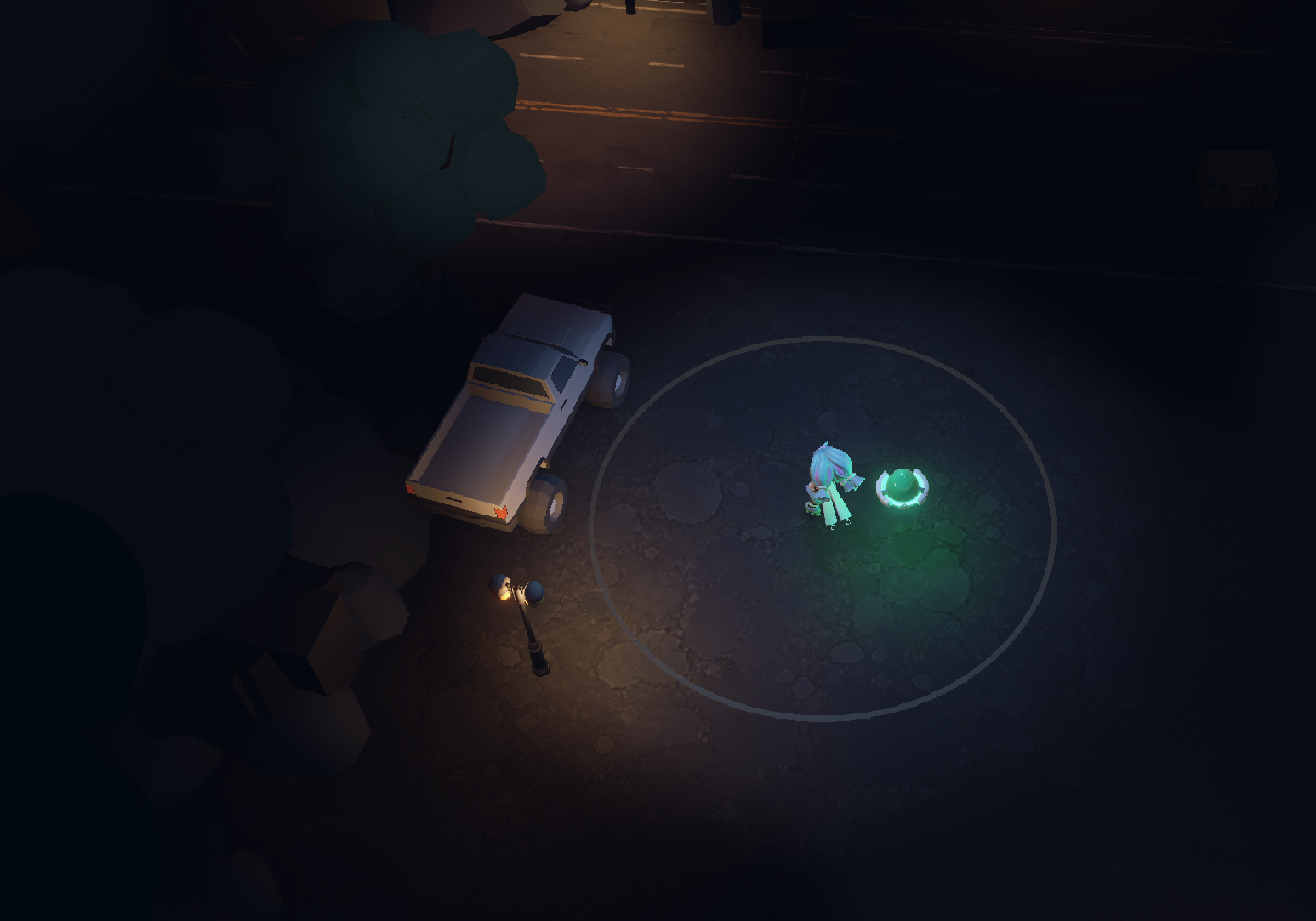
Quiet opening with Spoki, drone, street light and parked carFinal runtime capture
1 · Move quietly

Movement fills a visible noise meter. Standing still lets it recover.
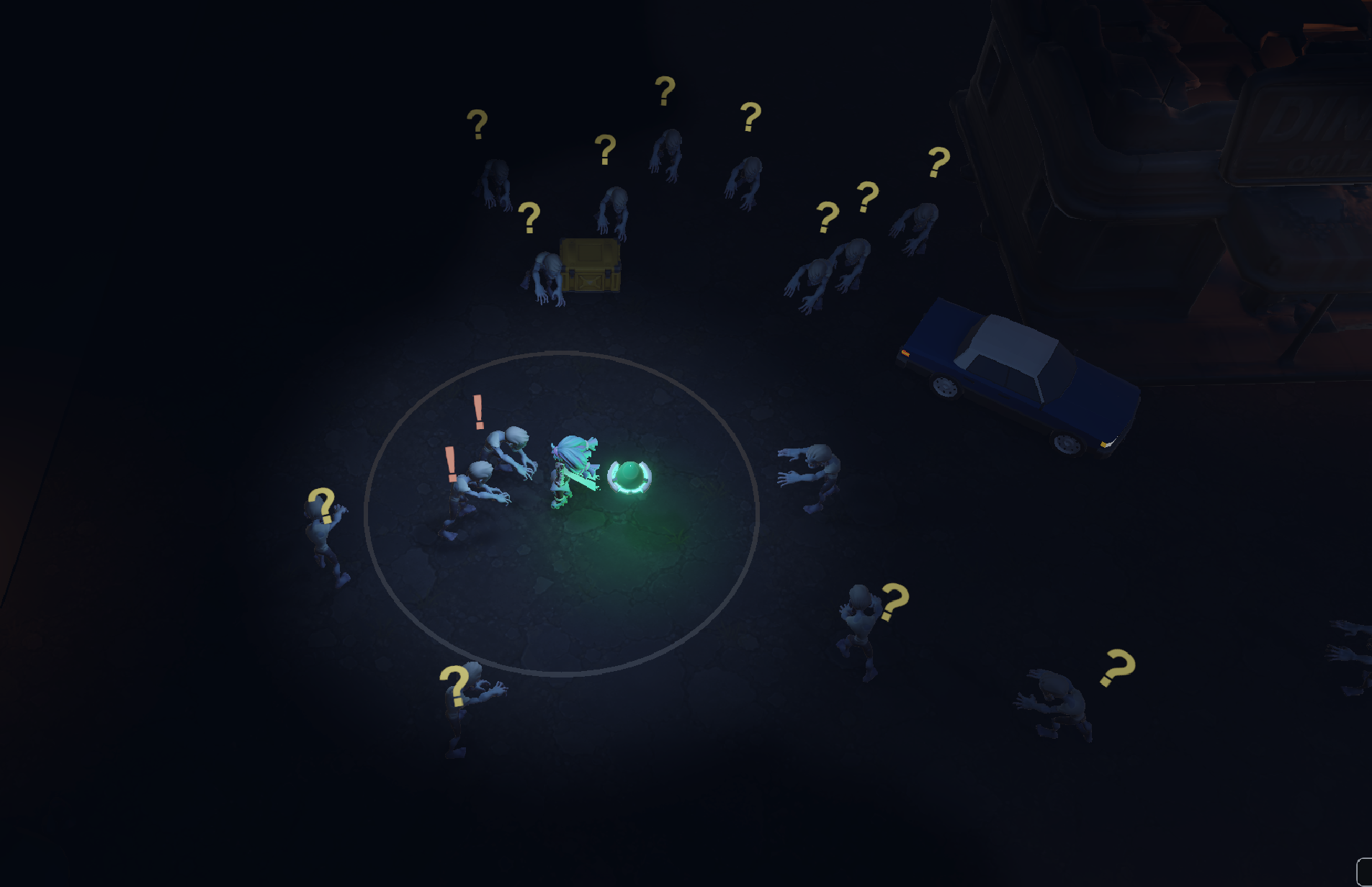
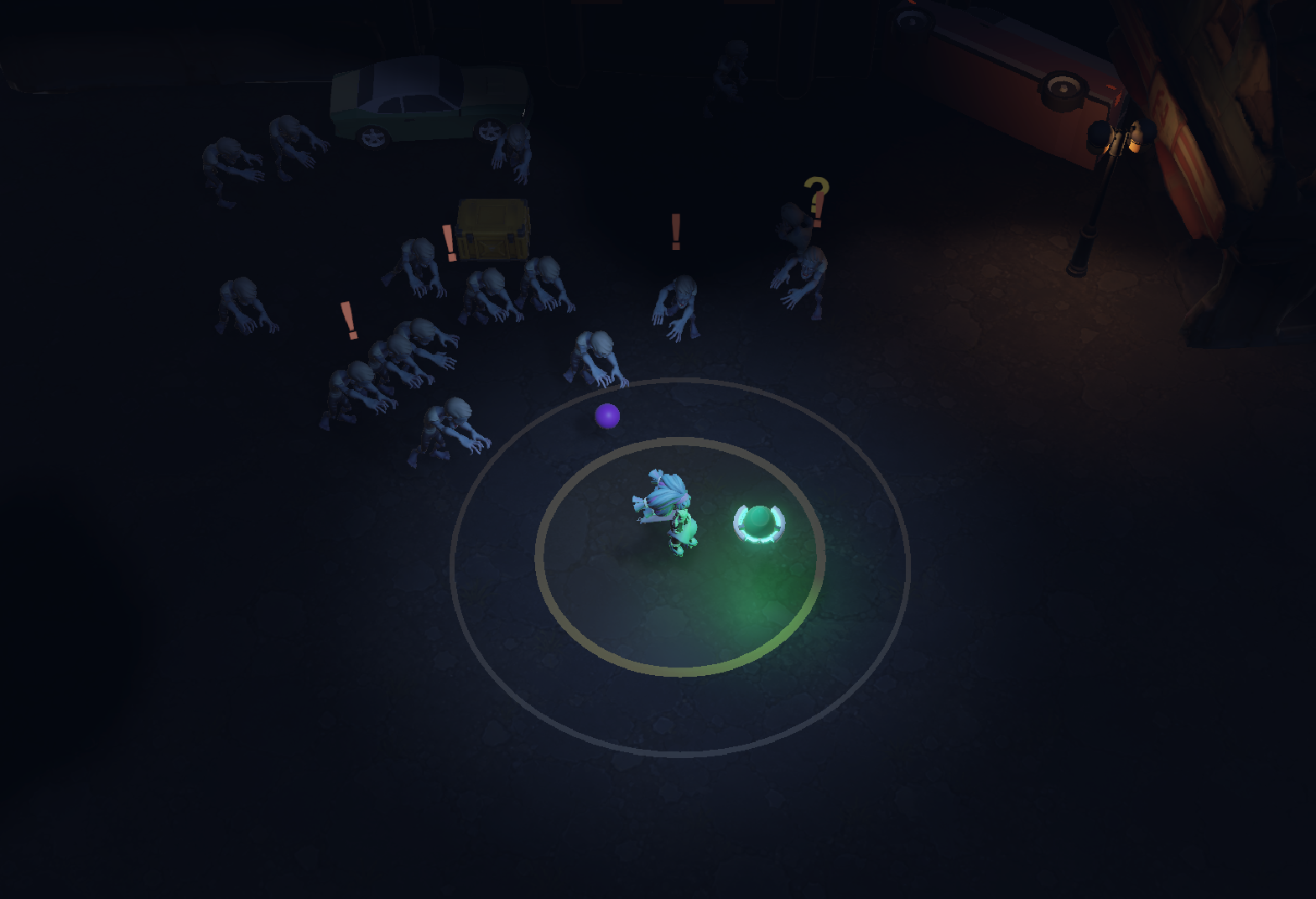
Enemies displaying question marks and exclamation marks around SpokiInvestigation → pursuit
2 · Disturb the population

Footsteps, gunfire and world events enter the same sound-reaction system.

Large infected horde surrounding the player in the final runtime sceneLate-loop pressure
3 · Survive the horde

Automatic fire, upgrades and sound abilities turn stealth into controlled chaos.

05 · A sleeping population

Disturbed by sound.

A single enemy reacts locally. The horde emerges when alerted enemies wake neighbours and the reaction spreads.

This created a biomimetic crowd response without requiring a large AI model at runtime.

Autoplaying reaction model
Final runtime capture showing sleeping, investigating and alerted infected states
The same state chain made visible in the final runtime scene
Sleeping

Population exists before combat.

Local sound

A small pulse creates uncertainty.

Investigating ?

Nearby enemies enter a yellow search state.

Sonic boom

The expanding shock crosses the population.

Confirmed !

The horde converts to red pursuit together.

06 · Inclusive by design

A game about sound
that does not require hearing.

I wanted hearing-impaired players to read the same tactical information. I therefore designed and tested the prototype with audio muted.

Noise level, propagation rings, question marks, exclamation marks and enemy movement all carry meaning before sound is added.

Audio muted · system readable
?Investigating
!Confirmed threat
)))Propagation

07 · Visual evolution

The mechanics stayed private.
The visual language became legible.

This case study shows presentation decisions, not the underlying ability rules. Two early directions were rejected because they communicated motion and space too literally.
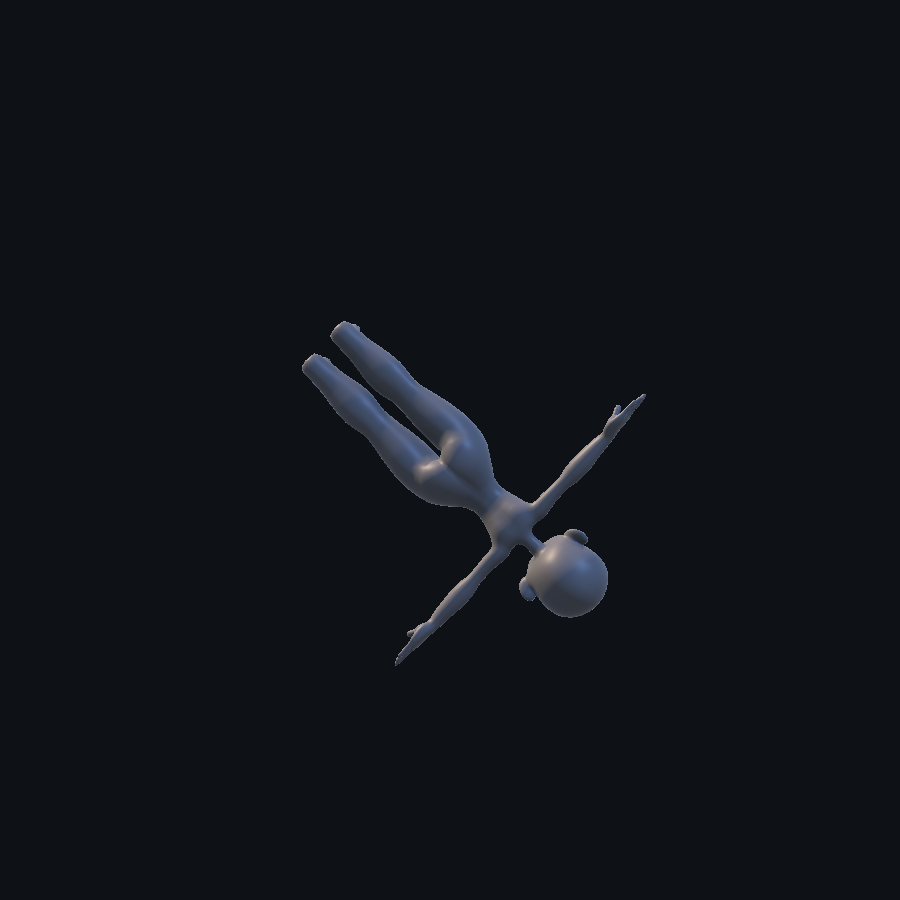
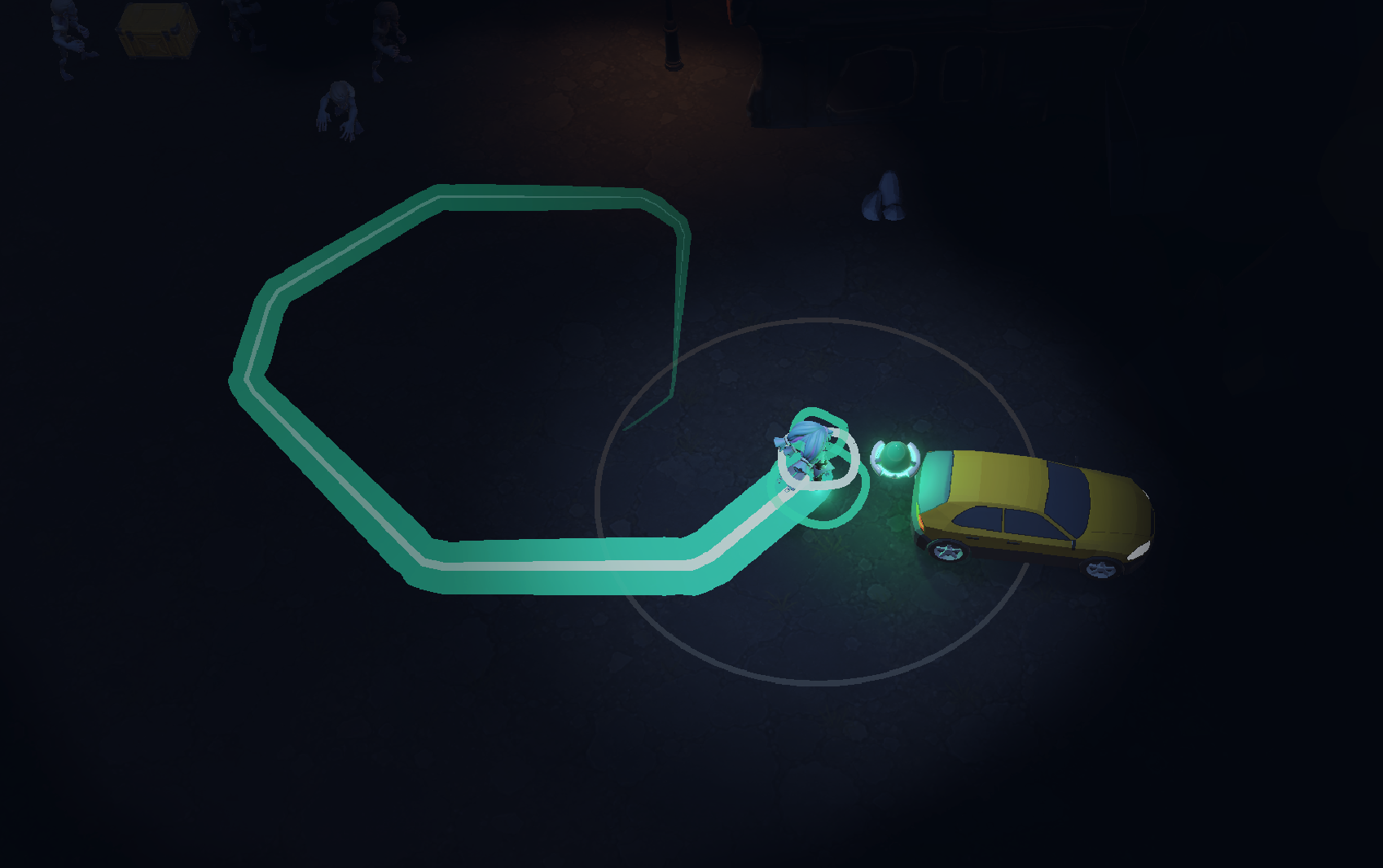
Early movement animation audit · pre-Q referenceArchived early movement animation audit used as a pre-Q visual reference
This was not an early Q build. It exposed a broader readability problem: movement needed a visual memory beyond the animation itself.
Q visual study · refined runtimeRefined runtime visual with a restrained cyan movement trail
A restrained cyan trail gave movement a readable afterimage without exposing its gameplay contract.
E visual study · archived direction
The first spatial sketch read as a rigid cage. This is a documented reconstruction, not a runtime capture.
E visual study · refined runtimeRefined translucent technological field in the final runtime
The revised translucent volume felt technological and permeable. Presentation changed; the private gameplay contract did not.

Only visual evolution is shown here. Ability parameters and interaction rules remain private.

08 · A map becomes a place

From one author sketch
to a navigable 3D night map.

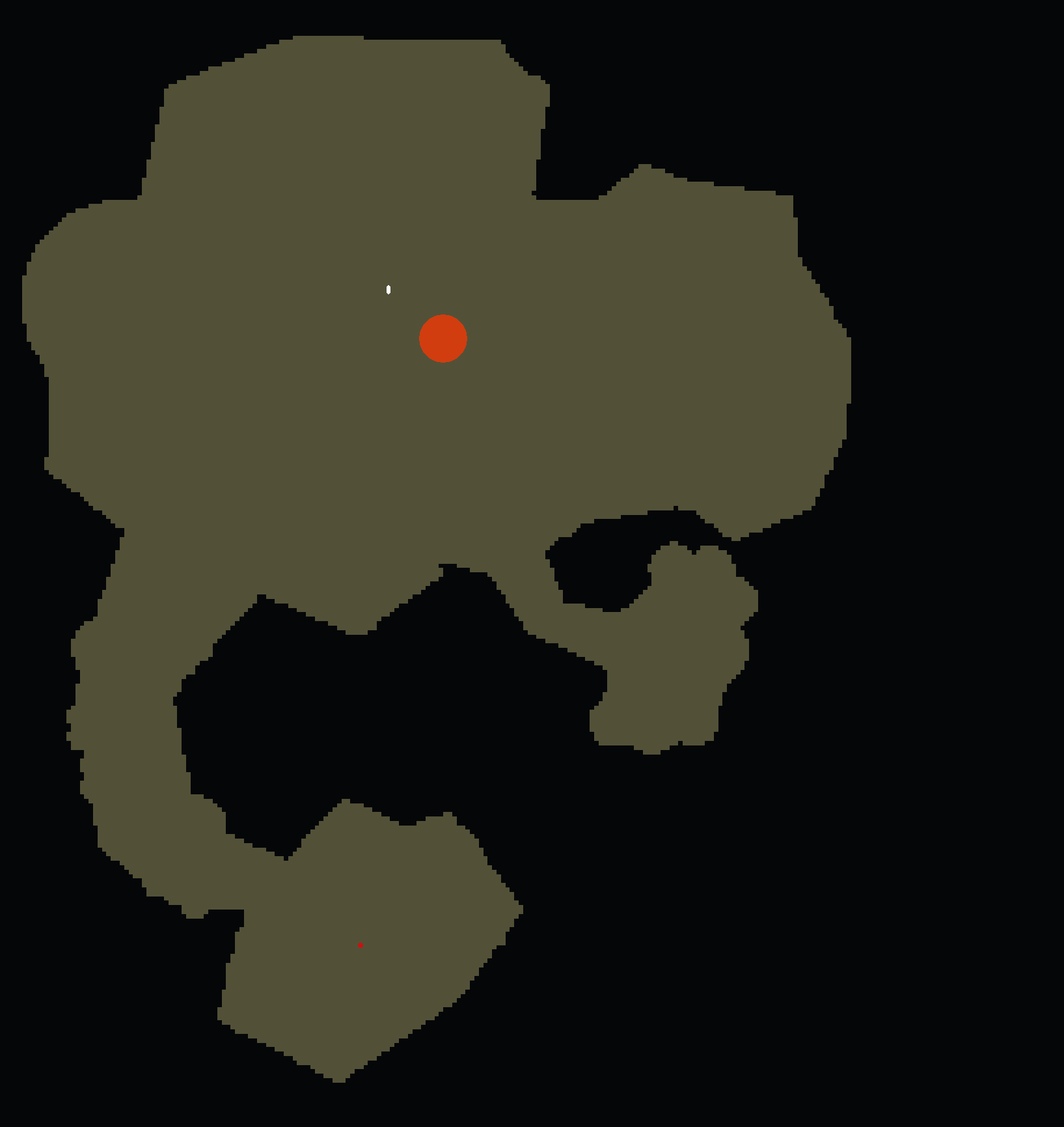
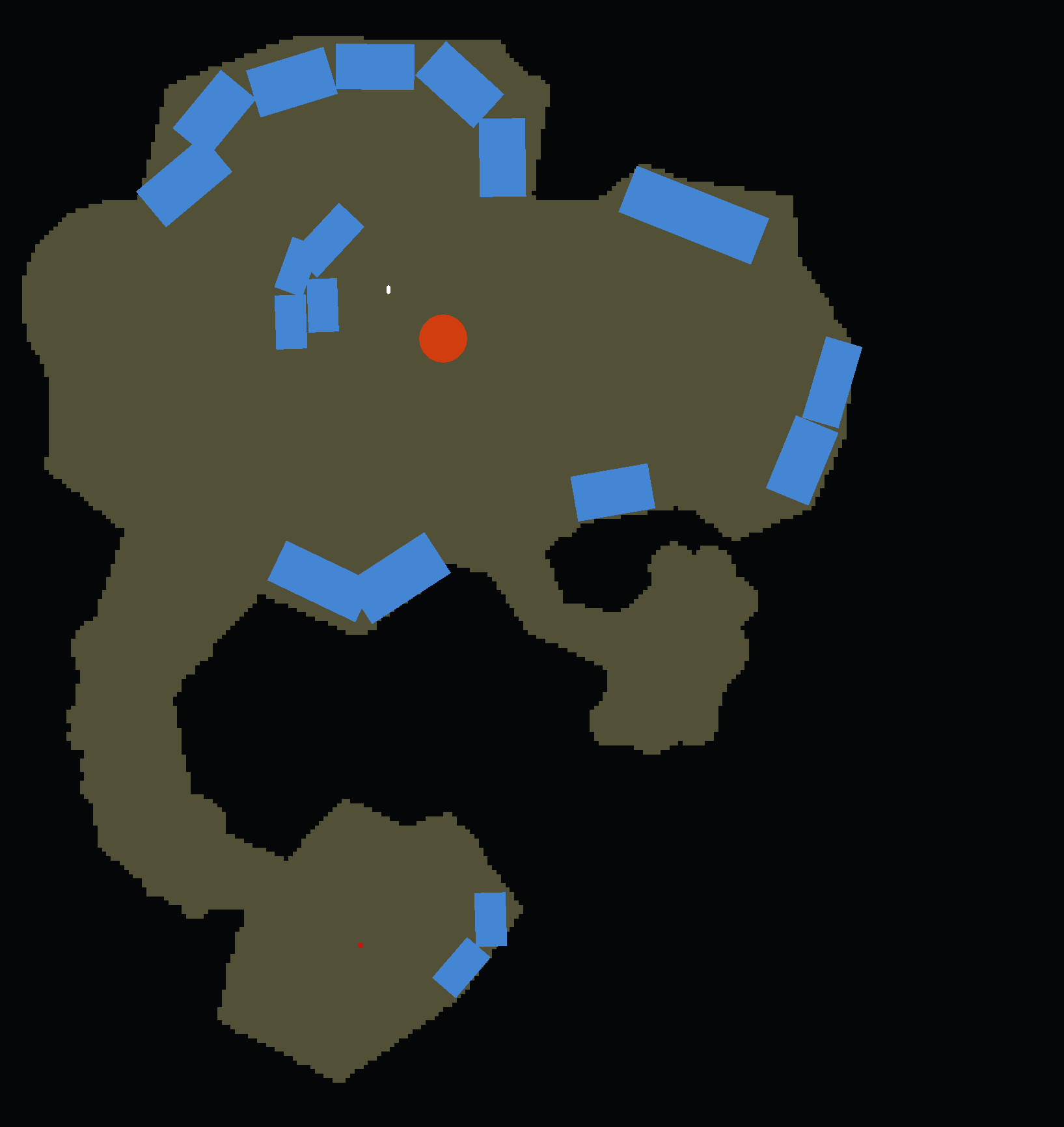
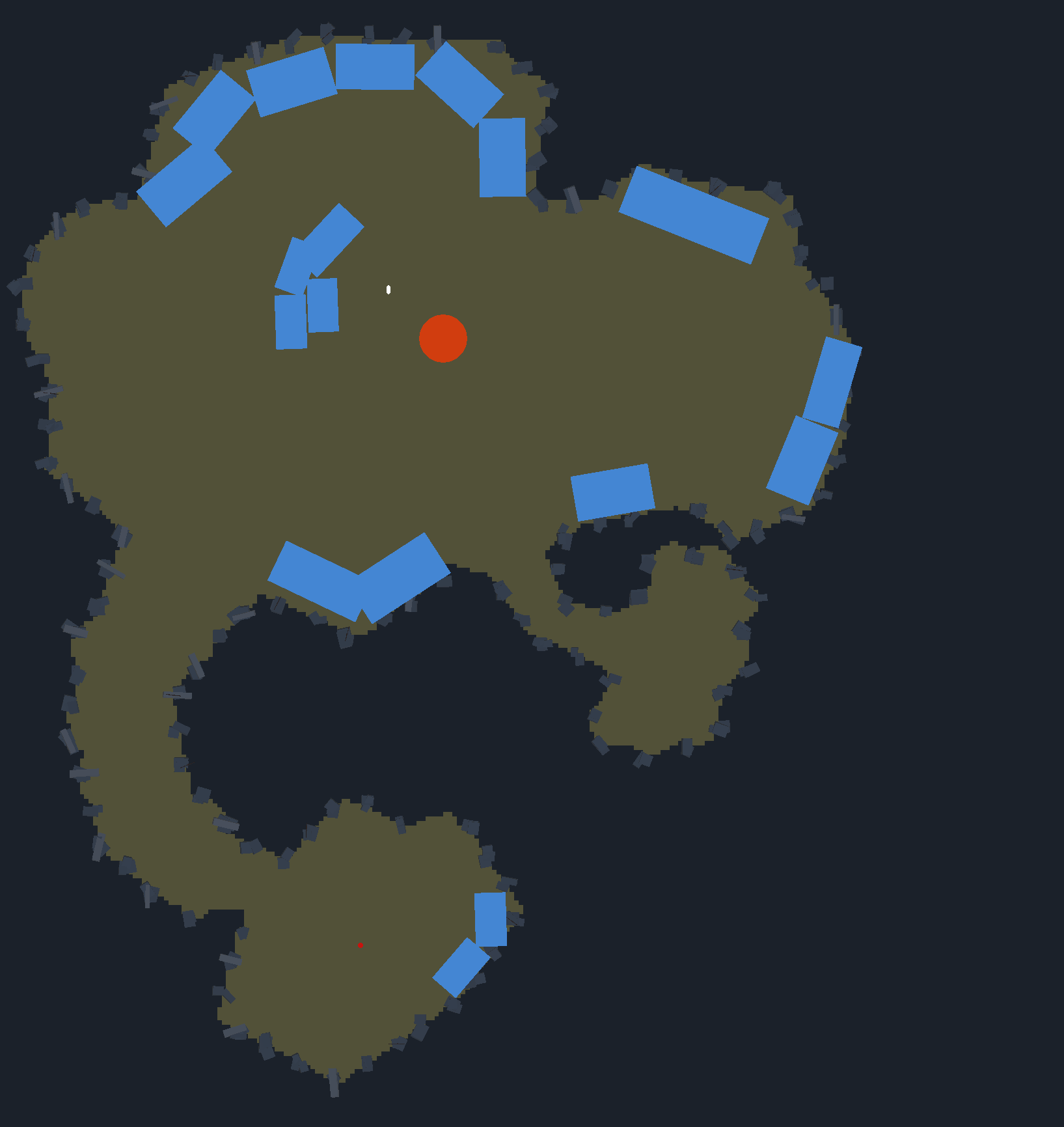
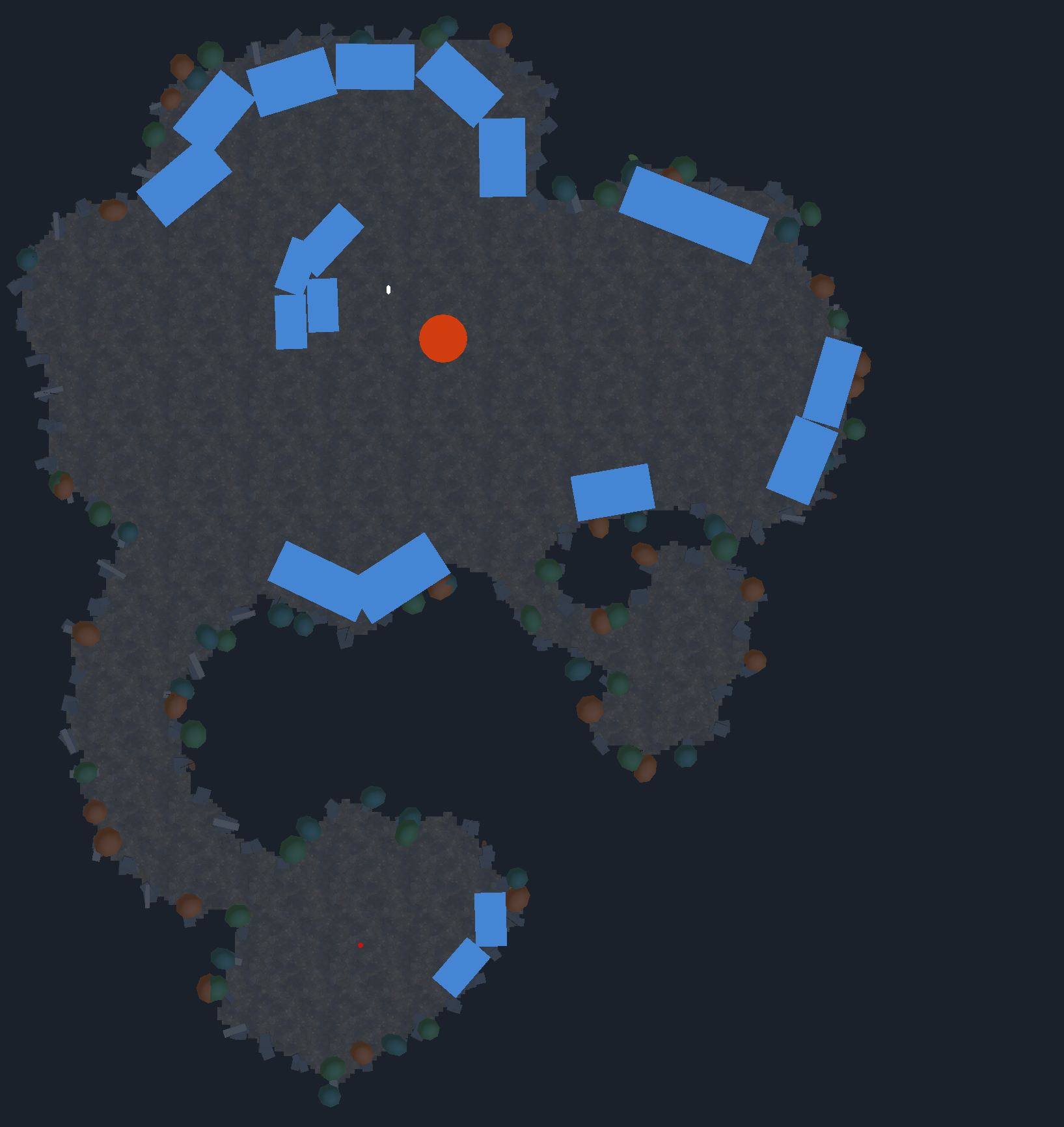
The sketch already contained pressure, safe light, buildings, spawn clusters and escalation points. Production translated those relationships before polishing surfaces.
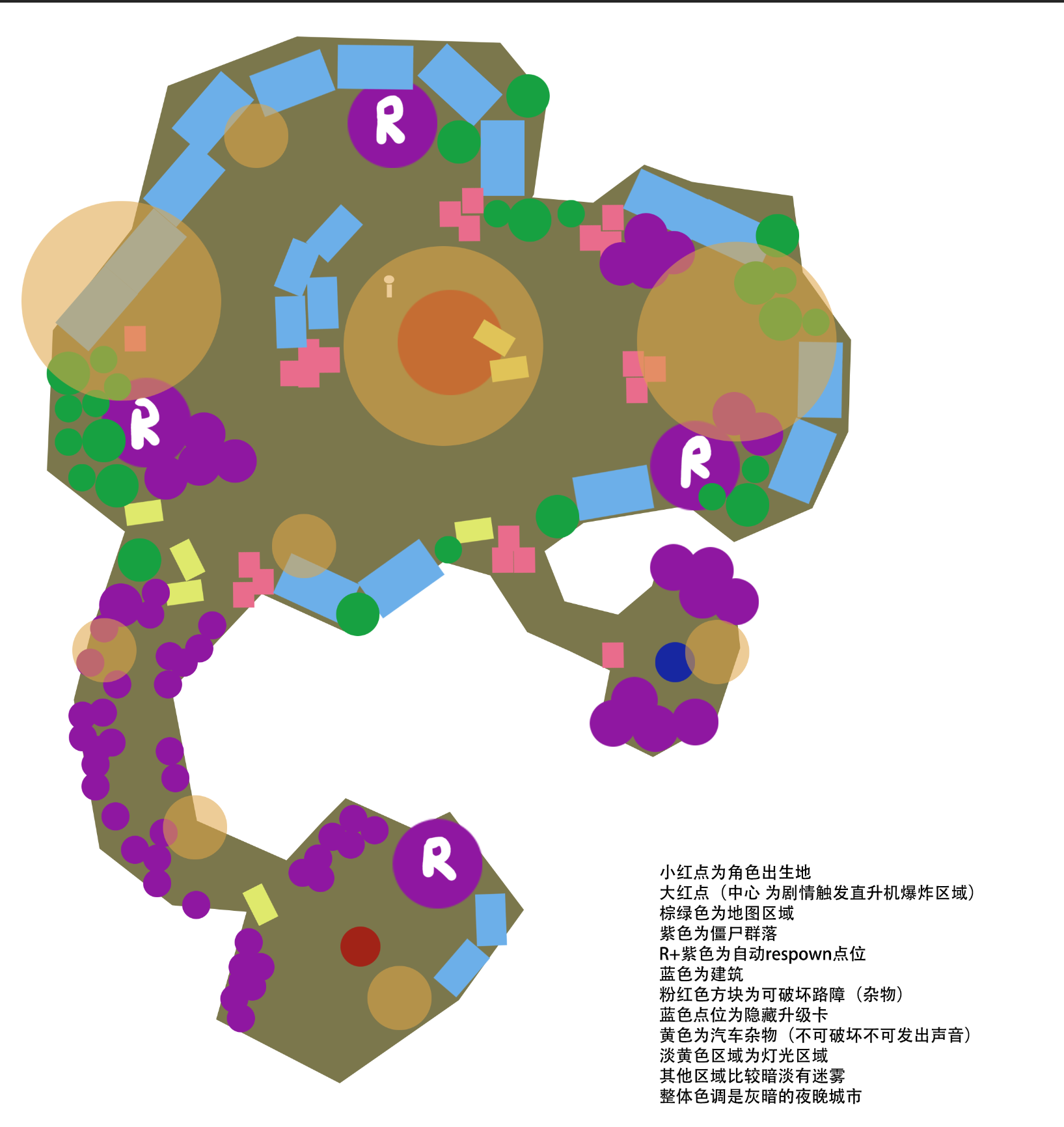
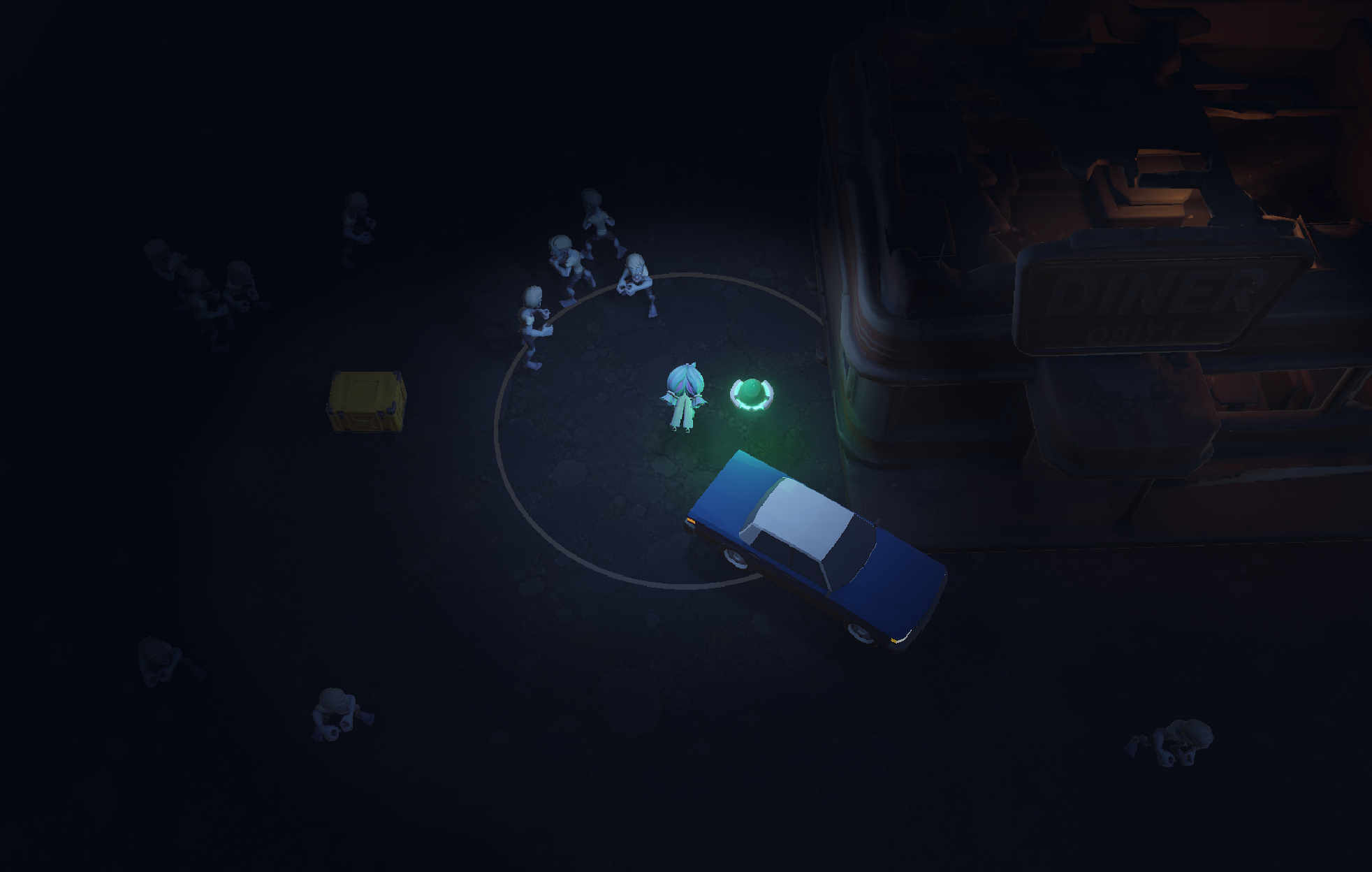
Author map sketch showing spatial systems
Author sketch · spatial rules before geometry
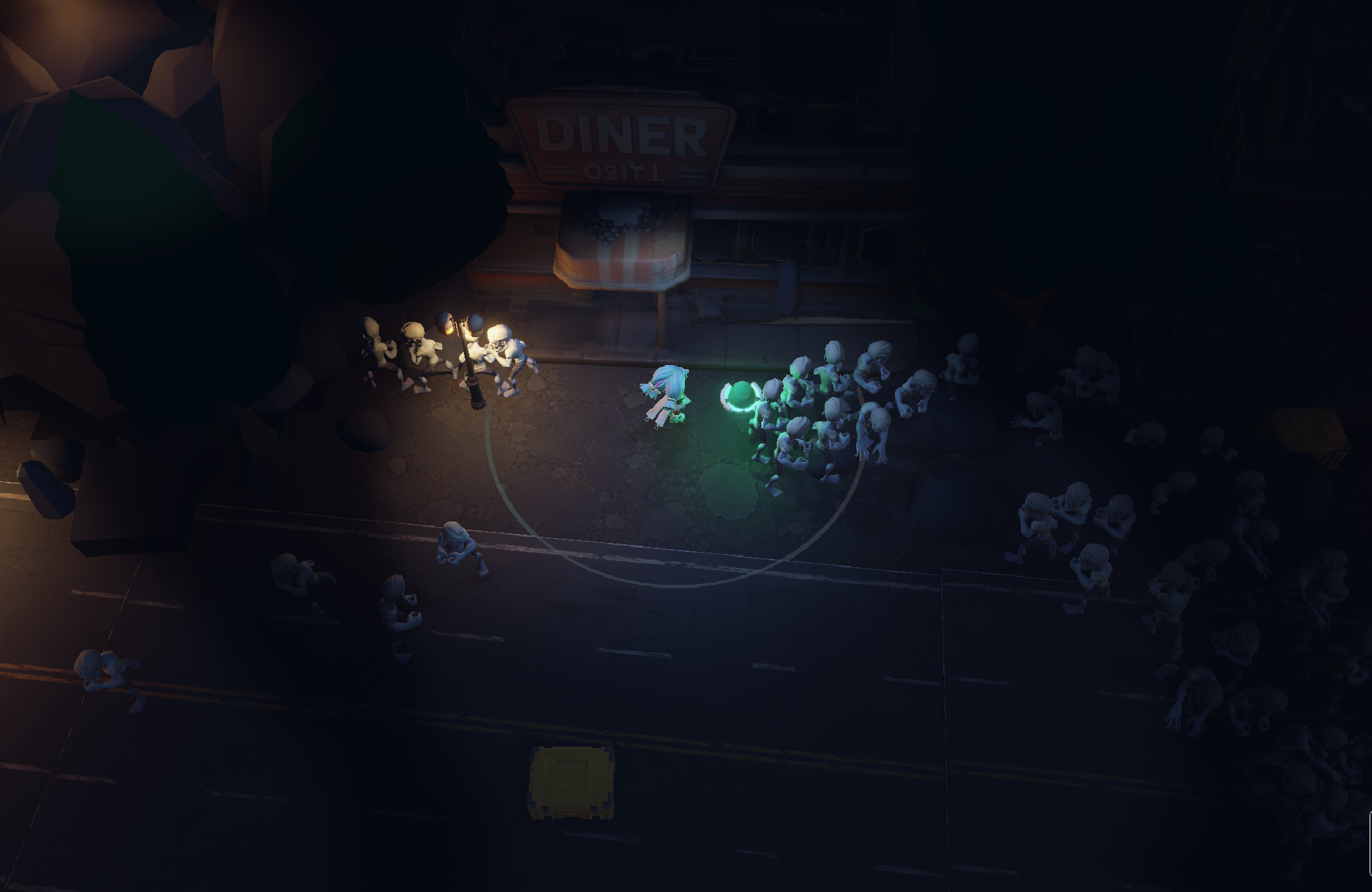
Final runtime street environment with diner, car, chest and infected
Current runtime environment · buildings, lighting, props and encounter context
22/22 · Author ✓Map stage one
01 · Silhouette

Lock the playable footprint.

24/24 · Author ✓Map stage two
02 · Massing

Translate building relationships.

26/26 · Author ✓Map stage three
03 · Framing

Create readable boundaries.

28/28 · Review recordMap stage four
04 · Ground

Add navigation texture and light zones.
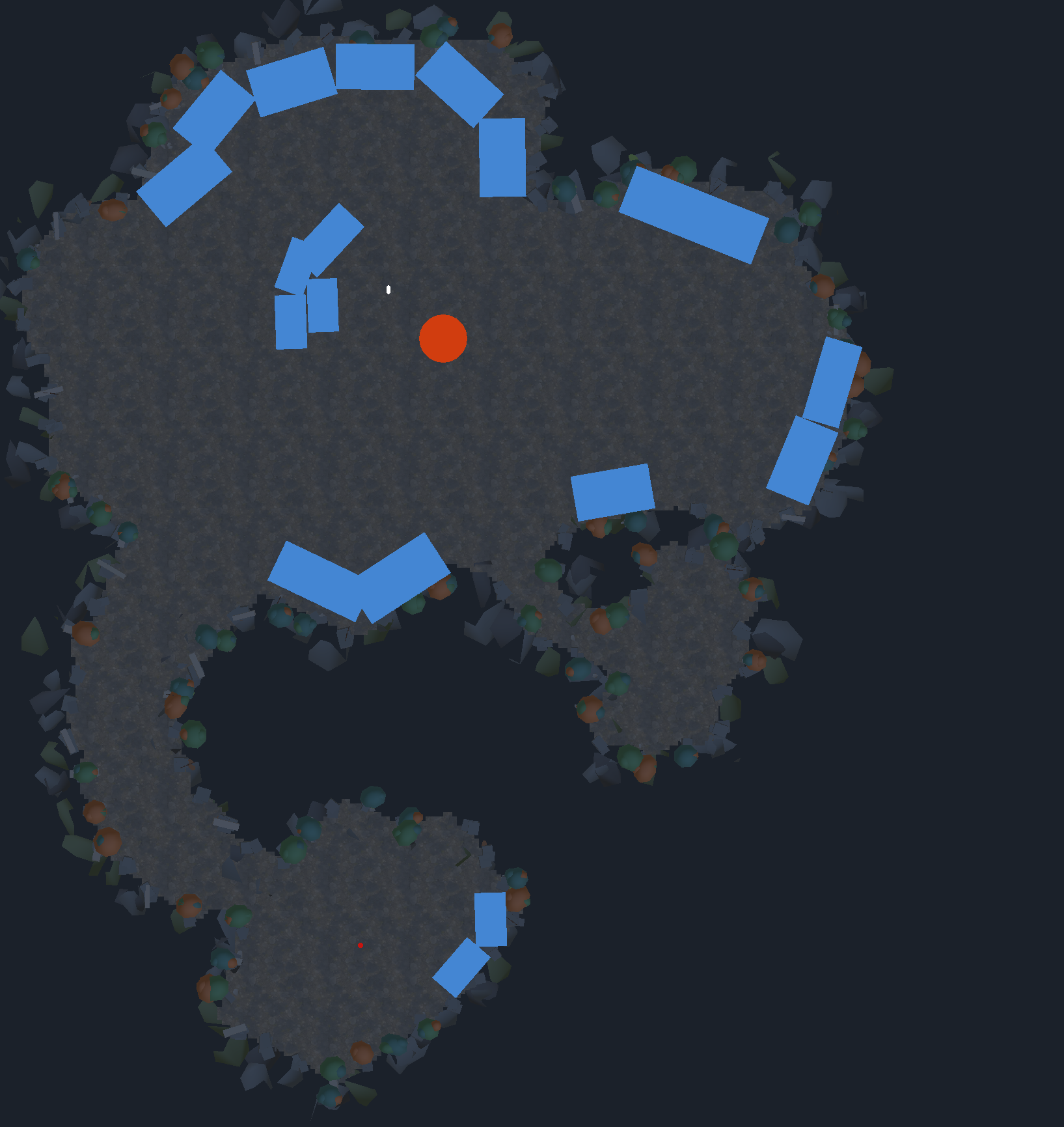
30/30 · Review recordMap stage five
05 · Occlusion

Shape reveal, shadow and threat.

How I reviewed the map — layer by layer
  • Each stage isolated one visual question and ran its own silent EditMode check.
  • Stage 02 caught three connected building shapes being interpreted as one object; the shapes were separated before the layer advanced.
  • Only stages with explicit author approval are marked Author ✓. Later checks are evidence records, not retroactive approval claims.
Final runtime environment under horde pressure
Final runtime · encounter space under pressure
Quiet final runtime street angle
Quiet route and lighting read
Final runtime ranged projectile encounter
Buildings, cars, rewards and ranged threat

09 · Prototype fidelity

Visual feedback without
a production-asset budget.

AI-generated, poly-budgeted prototype assets created a useful middle ground between crude placeholders and production-final art.
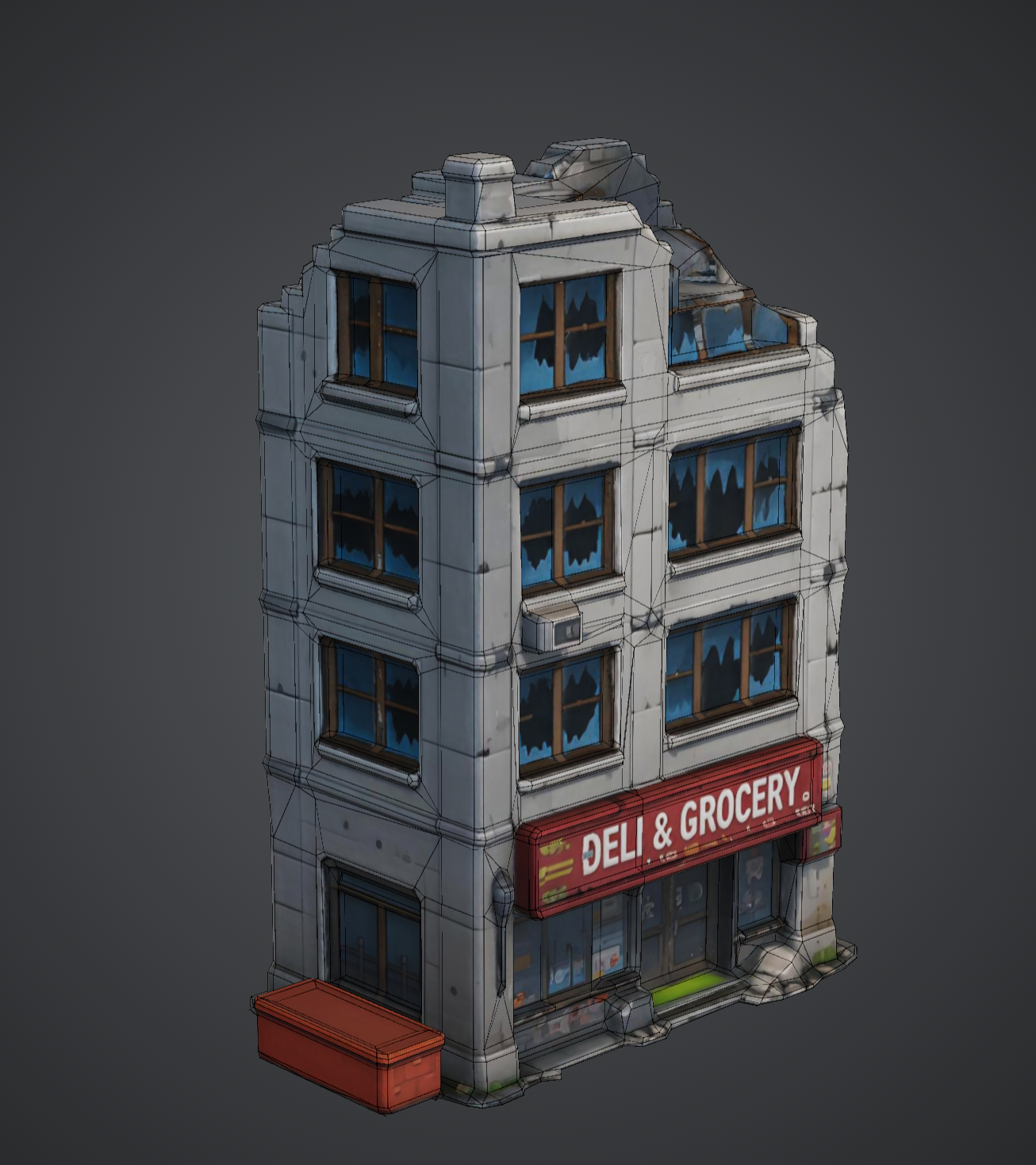
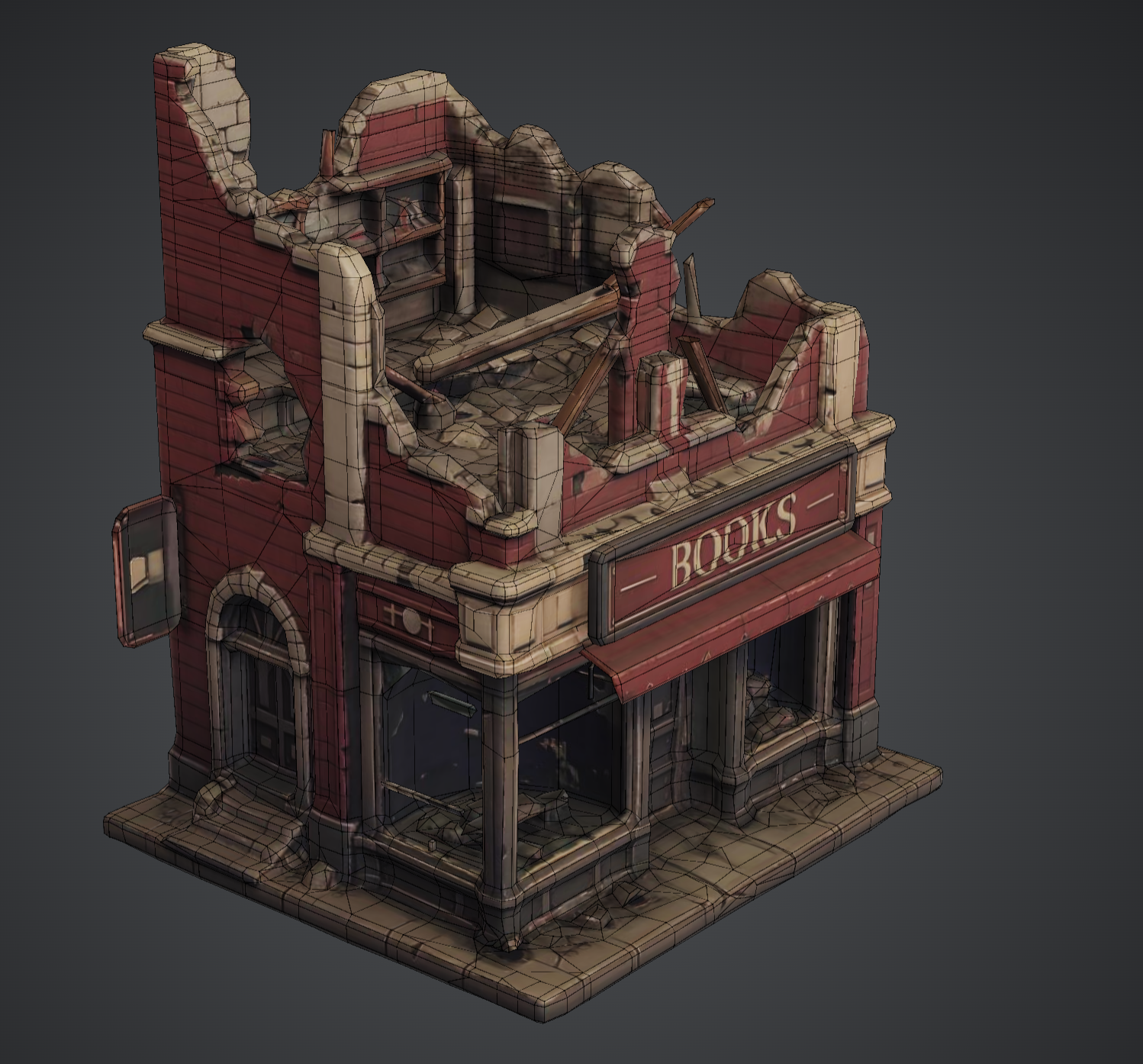
Complete wireframe view of the AI-assisted low-poly building
Complete building mesh · topology audit view
Complete wireframe view of the ruined shop
Complete ruined-shop mesh · readable silhouette
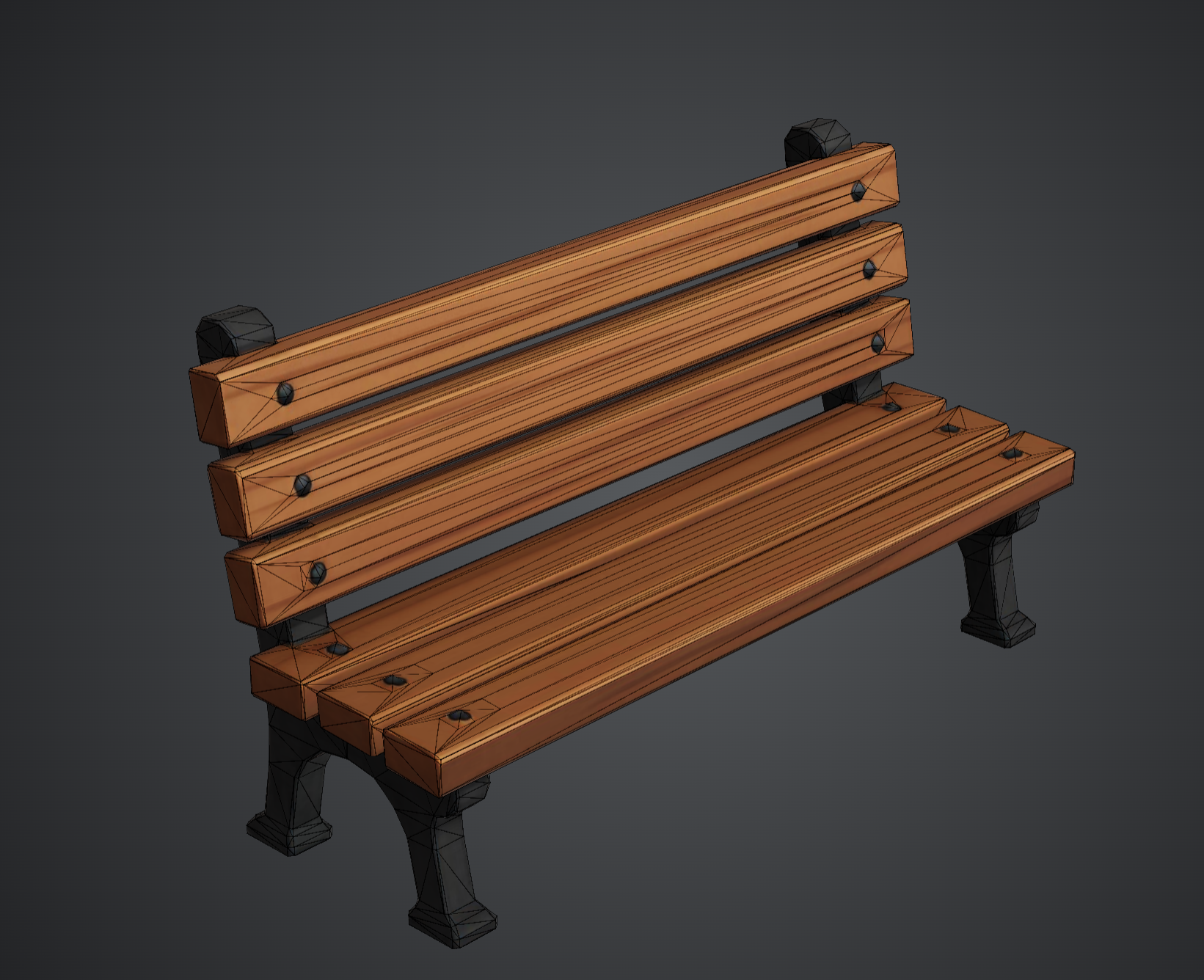
Complete wireframe view of the park bench
Complete bench mesh · small-prop evidence
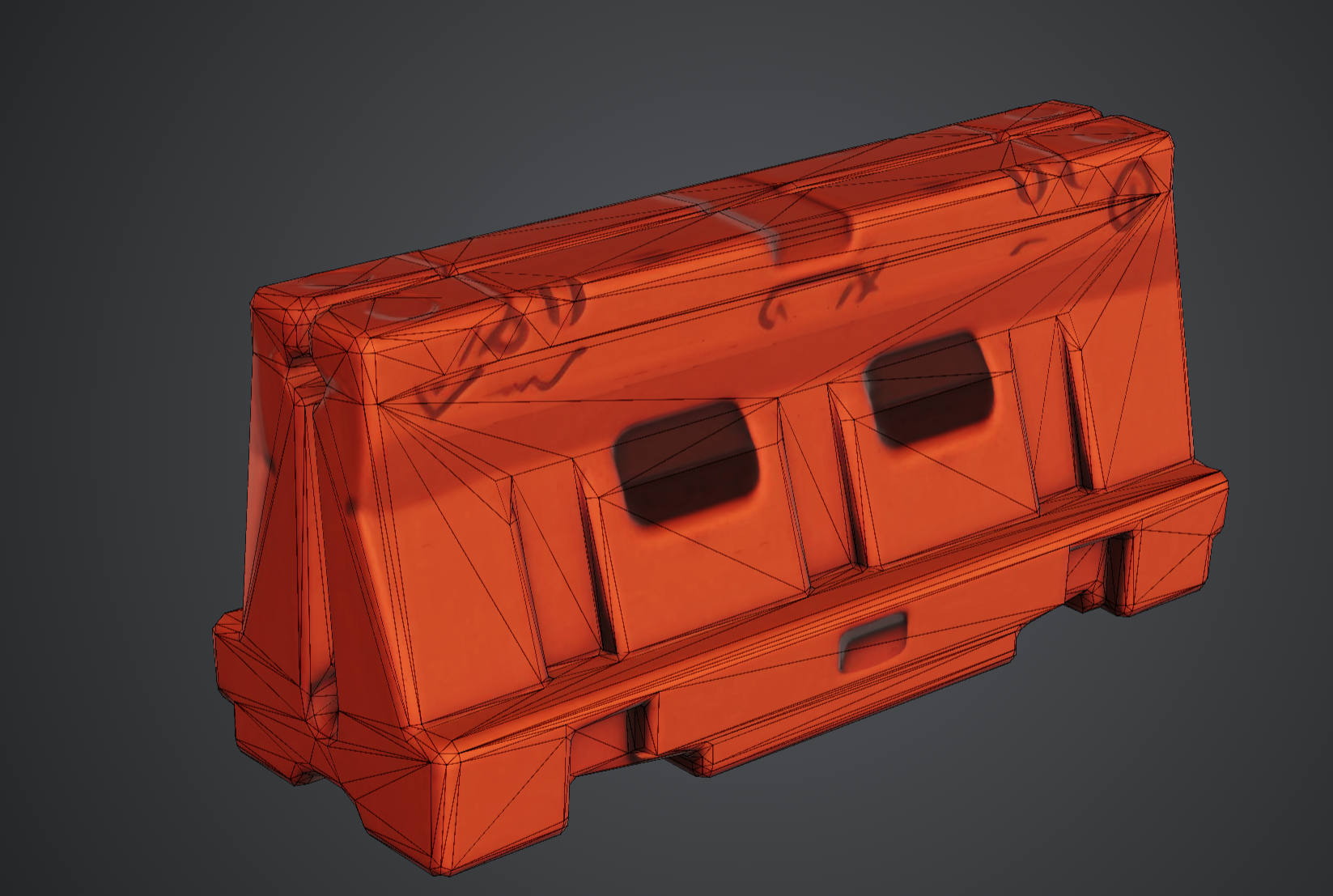
Complete wireframe view of the road barrier
Complete barrier mesh · small-prop evidence
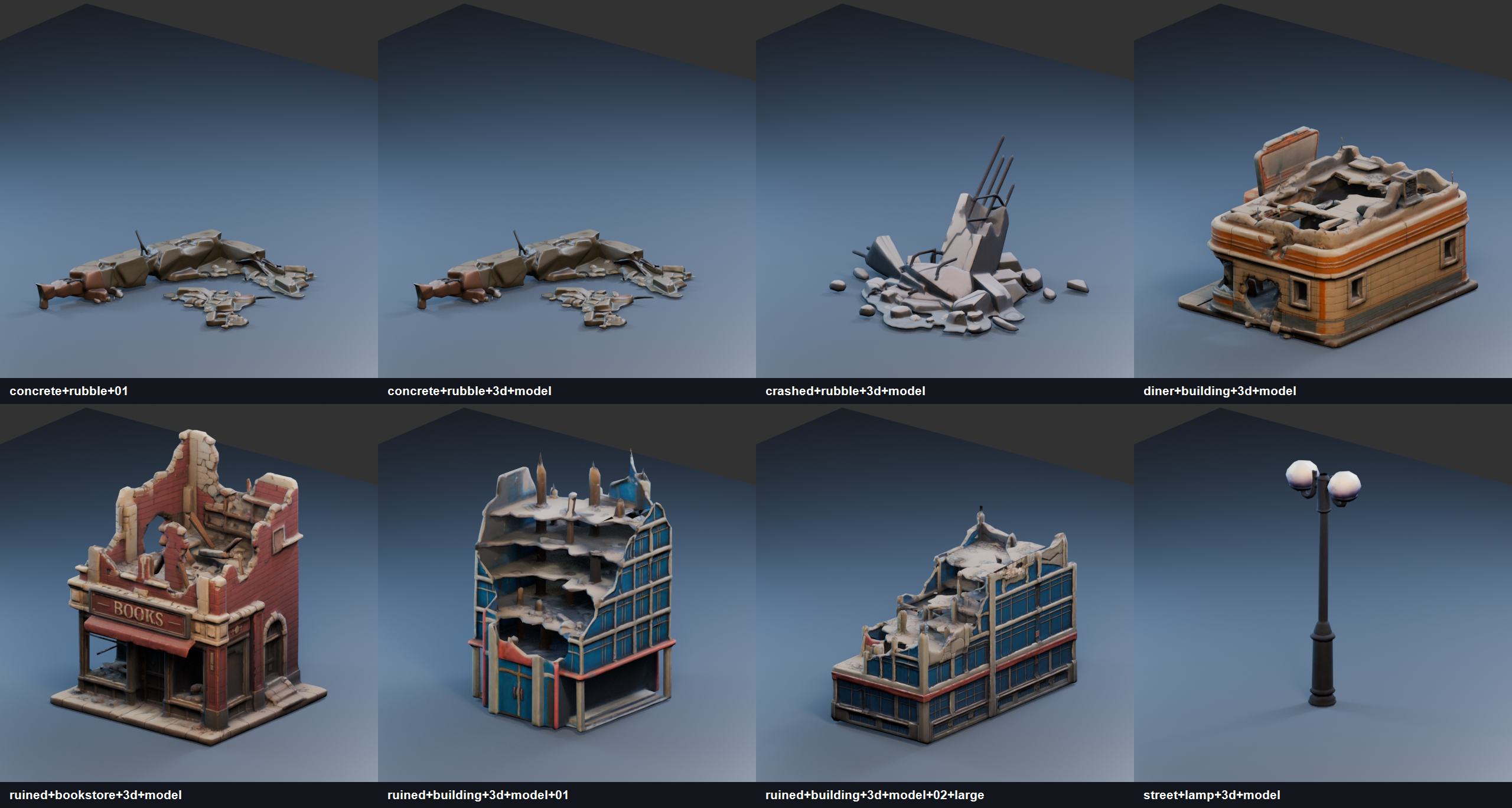
AI-generated environment asset contact sheet
Generation breadth · ruins, buildings and rubble
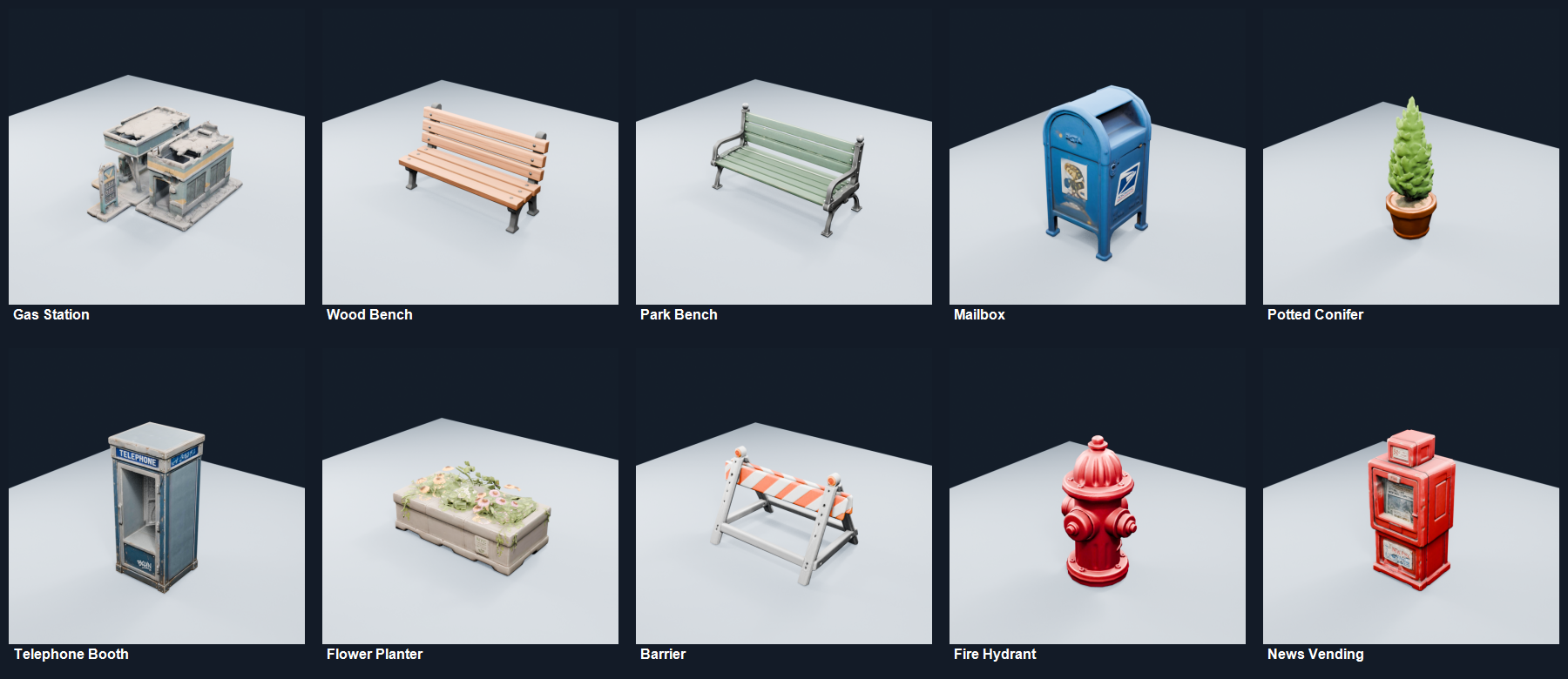
AI-generated street prop contact sheet
Generation breadth · coherent street-prop family
GenerateBudgetAuditCalibratePlaceTest
Prototype-ready is not production-final
  • Exact triangle counts must come from the model audit, not visual estimation.
  • Geometry alone does not prove performance; materials, textures, lights, shadows, draw calls and repetition still require profiling.
  • Scale, pivot, collision, lighting and licensing remained explicit review gates.

A visible ten-minute-scale iteration

A chest became a readable reward.

01 · Archived runtime placeholder

Centered crop from the original V33 capture. Functional, but visually anonymous.
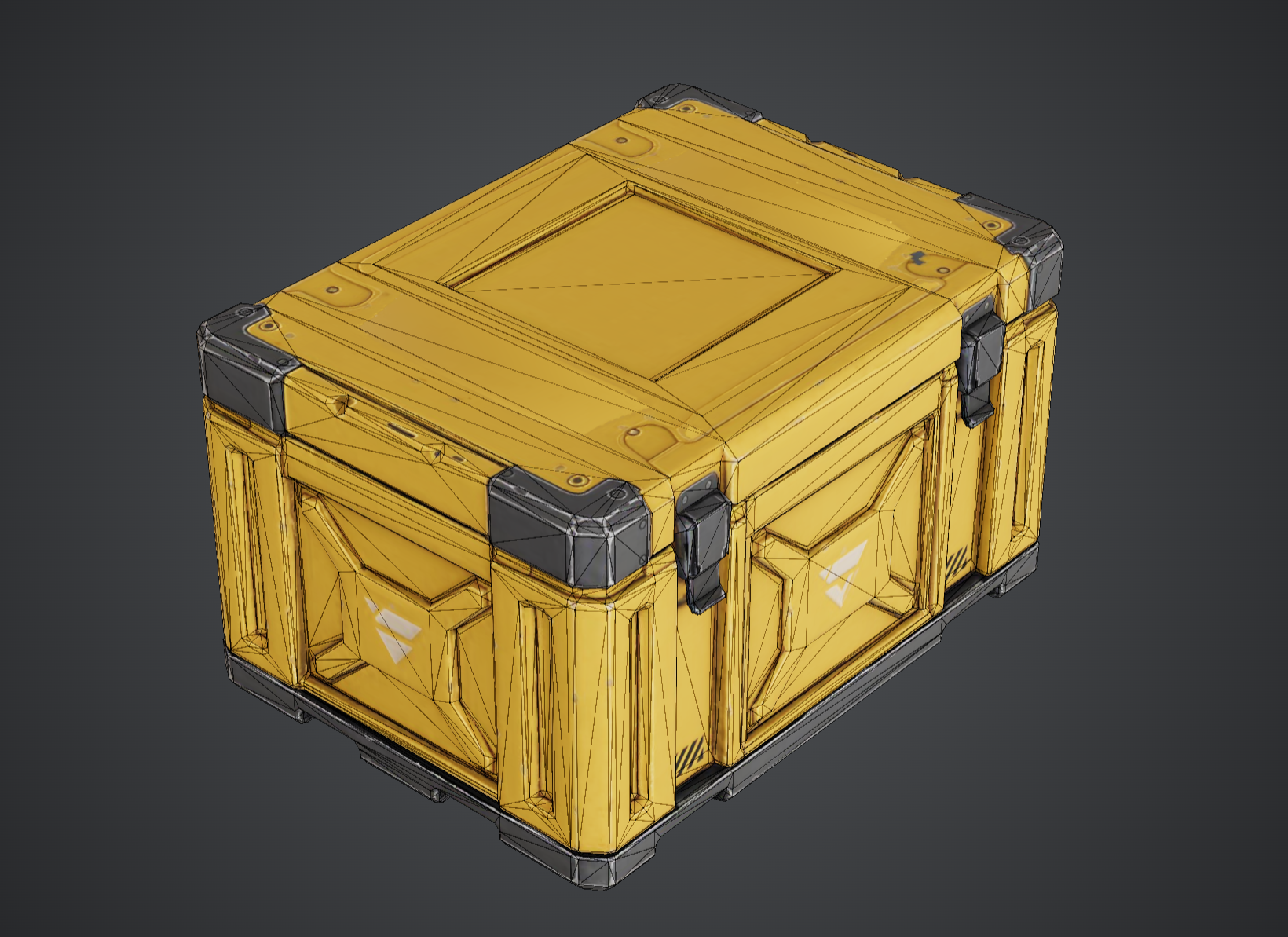
AI-generated yellow chest candidate
02 · AI candidate

A usable visual direction arrived in minutes.

Yellow common-tier chest placed in the final runtime environment
03 · In-game common tier

Yellow communicates a standard upgrade.

Tinted color mockupTinted color mockup for a premium reward chest direction
04 · Premium candidate

Orange tests a rarer reward read in riskier spaces.

The common tier is shown in runtime. The orange image is an explicitly labeled color mockup, not a runtime capture.

10 · What the prototype proved

The method travelled.
Human judgment stayed in charge.

Portable

The same production discipline survived a new medium and engine.

Inspectable

Wrong answers became visible, reversible and cheap to reject.

Human-led

AI executed. Evidence informed. I retained final acceptance.

What this case does not claim
This portfolio prototype does not claim release readiness, production-final assets, a performance ceiling, complete regression coverage or replacement of specialist engineering review.
Silensee · Case film